The question of why UAE is against Iran has become one of the most important geopolitical discussions shaping the modern Middle East.
What appears at first to be a simple security dispute is, in reality, part of a much deeper transformation in regional power dynamics. The relationship between the United Arab Emirates and Iran has evolved from cautious coexistence into a complex strategic rivalry shaped by security concerns, shifting alliances, and global geopolitical pressure.
While both nations continue to maintain limited diplomatic and economic channels, the underlying tension has grown significantly in recent years—driven by regional conflicts, proxy influence, and evolving security frameworks.
This article breaks down the real reasons behind this shift in a clear, structured, and analytical way.
Table of Contents
⚔️ Historical Background: A Relationship Built on Balance and Dispute
To understand why UAE is against Iran, we must first understand the foundation of their relationship.
Historically, UAE–Iran relations have always been a mix of:
🟡 Cooperation
- Strong trade routes through Dubai
- Economic interdependence
- Iranian business presence in the UAE
- Maritime and commercial connectivity
🔴 Conflict
- Territorial disputes over the Abu Musa, Greater Tunb, and Lesser Tunb islands
- Sovereignty disagreements dating back to 1971
- Periodic diplomatic tensions
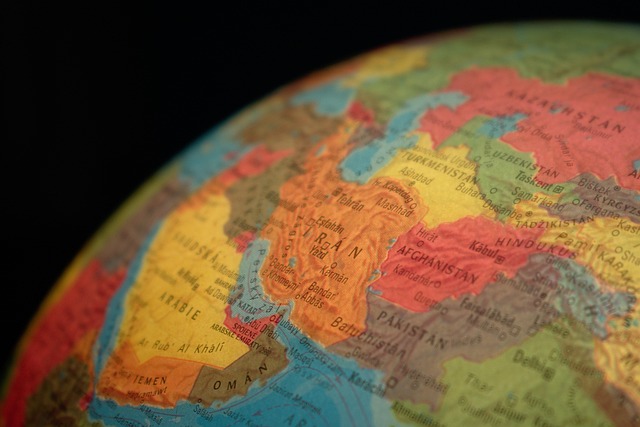
According to historical records, these islands came under Iranian control in 1971 following British withdrawal from the Gulf, just before UAE independence. The UAE has continuously disputed this claim, keeping the issue alive for decades .
This dual structure—trade cooperation and political conflict—has defined their relationship ever since.
🔥 Rising Regional Conflicts: The Turning Point
The real shift in why UAE is against Iran began after 2015, when the Middle East entered a phase of widespread instability.
Key conflict zones included:
- Yemen civil war
- Syria conflict
- Iraq instability
These conflicts intensified concerns in Gulf states about Iran’s expanding regional influence through allied groups and proxy networks.
For the UAE, this created a strategic concern:
Iran was no longer just a neighbor—it was becoming a regional power shaping conflicts across multiple fronts.
🤝 The Abraham Accords: A Strategic Realignment
A major turning point came in 2020 with the Abraham Accords, where the UAE normalized relations with Israel.
This was not just a diplomatic milestone—it marked a structural shift in regional alignment.
Key areas of cooperation:
- Intelligence sharing
- Cybersecurity coordination
- Defense collaboration
- Economic and technological partnerships
This new alignment changed how the UAE viewed regional threats. Iran increasingly became framed not just as a political rival, but as a strategic security challenge.
🧠 Why UAE Is Against Iran Today: Core Strategic Reasons
The modern answer to why UAE is against Iran can be broken into five key factors:
1. 🛡️ National Security Concerns
The UAE views Iran as a potential threat due to:
- Regional proxy networks
- Missile and drone capabilities in the region
- Influence in nearby conflict zones
Security experts widely describe Iran as a primary national security concern for the UAE’s defense planning .
2. 🌐 Regional Influence Competition
Iran’s growing influence in multiple Middle Eastern countries has created a strategic competition over:
- Political alliances
- Military presence
- Maritime control
This competition is especially visible in Gulf waters and nearby strategic corridors.
3. ⚓ Strategic Geography: The Strait of Hormuz
The Strait of Hormuz remains one of the most sensitive geopolitical chokepoints in the world.
Any tension involving Iran directly affects:
- Global oil supply
- Maritime trade routes
- Energy security
This makes UAE extremely sensitive to regional instability.
4. 🤝 UAE–Israel–Western Alignment
The UAE’s deepening ties with Israel and Western allies have reshaped its security outlook.
This alignment naturally places Iran on the opposite strategic spectrum, increasing mistrust and policy divergence.
5. 🧭 Shift from Balance to Controlled Firmness
The UAE is no longer pursuing pure neutrality.
Instead, it follows a strategy of:
- Controlled pressure
- Strategic alignment
- Limited engagement with Iran
This is not full confrontation—but it is no longer balanced diplomacy either.
📊 Economic Reality: Why Full Conflict Is Avoided
Despite rising tension, the UAE cannot afford direct confrontation with Iran.
Why?
- Massive trade economy
- Global investment hub status
- Dubai’s role as a financial gateway
- Energy market dependency
This creates a paradox:
The UAE is strategically opposed to Iran—but economically interconnected with it.
This is why the policy is often described as controlled firmness, not open hostility.
🌊 Hidden Layer: The Economic Interdependence
Even during political tension, trade between the two nations has historically continued.
- Dubai has served as a trade corridor for Iranian markets
- Informal trade networks have persisted for decades
- Economic necessity has often overridden political tension
This contradiction explains why relations never fully collapse—but also never fully stabilize.
⚠️ Future Outlook: Where Is This Heading?
The future of why UAE is against Iran is not about immediate war, but about long-term strategic separation.
Key trends include:
- Stronger UAE–Israel security cooperation
- Continued Gulf bloc formation
- Increased diplomatic pressure on Iran
- Controlled economic distancing
At the same time, full confrontation remains unlikely due to economic interdependence and global pressure to maintain stability.
❓ FAQ: Why UAE Is Against Iran
1. Why is UAE against Iran?
The UAE’s concerns include regional security threats, geopolitical rivalry, territorial disputes, and Iran’s influence in neighboring conflict zones.
2. Is UAE in conflict with Iran?
No formal war exists. However, there is ongoing geopolitical tension and strategic rivalry between the two countries.
3. What caused UAE–Iran tensions?
Main causes include disputed Gulf islands, regional proxy conflicts, and shifting alliances in the Middle East.
4. Does UAE still trade with Iran?
Yes, despite political tensions, economic and informal trade links still exist through regional hubs like Dubai.
5. Will UAE and Iran go to war?
Direct war is unlikely due to economic interdependence and international pressure, but tensions may continue to rise strategically.
📌 Conclusion: A Relationship Defined by Strategy, Not Emotion
Understanding why UAE is against Iran requires moving beyond headlines and into geopolitical reality.
This is not a simple conflict—it is a long-term strategic recalibration shaped by:
- Security fears
- Regional alliances
- Economic dependencies
- Historical disputes
The result is a relationship that remains unstable, carefully managed, and deeply symbolic of the broader transformation taking place across the Middle East.
The silence between the two nations is not peace.
It is strategy.
For more in-depth geopolitical analysis, stay connected with Documentary Times.