It may sound like dark humor — but in the grim geopolitics of the 2026 Iran war, that statement captures a stark reality: despite extensive U.S. military operations aimed at reshaping the Iranian regime, the ultimate outcome of the conflict so far has been that one Khamenei has been replaced with another.
Ayatollah Ali Khamenei, Iran’s long‑time Supreme Leader, was killed in a joint U.S.–Israeli airstrike; yet the Islamic Republic’s leadership has remained firmly within the same political lineage after the Assembly of Experts selected his son, Mojtaba Khamenei, as the new Supreme Leader.
This paradox — that all Trump achieved in the Iran war was replacing one Khamenei with another — raises pressing questions about the limits of military intervention, the resilience of entrenched political structures, and the evolving dynamics of Middle Eastern geopolitics.
Table of Contents
The Appointment of Mojtaba Khamenei: Continuity Over Change
An Unusual Succession in Turbulent Times
On March 8, 2026, Iran’s Assembly of Experts — an 88‑member clerical body constitutionally tasked with selecting the Supreme Leader — convened following the death of Ayatollah Ali Khamenei and quickly reached consensus on his successor: his 56‑year‑old son Mojtaba Khamenei.
Under normal circumstances, the process of choosing a Supreme Leader follows strict clerical protocols. But this appointment took place in the middle of an ongoing war involving the United States, Israel, and Iran — a conflict that began after U.S. and Israeli strikes on Iranian leadership and military infrastructure.
Instead of reshaping Iran’s leadership away from the old guard, the outcome reaffirmed it. For all the destruction wreaked through thousands of military strikes — over 6,000 targets according to some assessments — Iran’s theocracy remained intact. One Khamenei was gone; another quickly took his place.
Why This Feels Like “One Khamenei Replaced With Another”
From Washington to Tehran, the reaction was starkly different on each side:
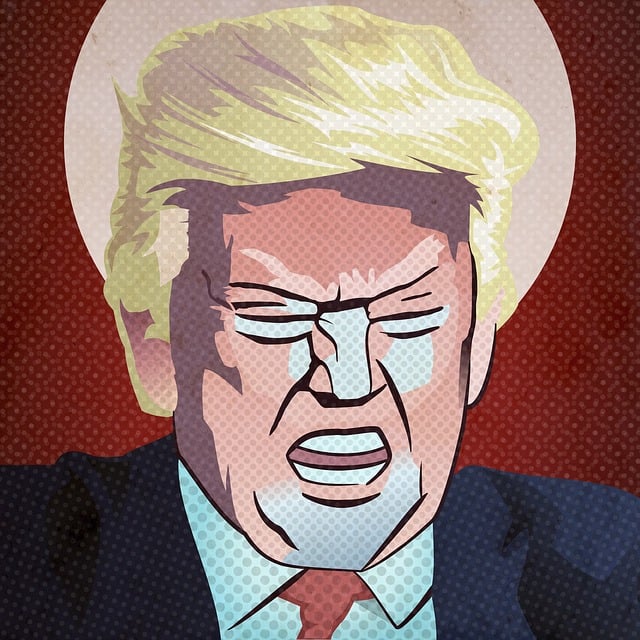
- In the United States, President Donald Trump publicly expressed displeasure with the choice of Mojtaba Khamenei, calling him “unacceptable,” claiming the U.S. should have a say in the leadership transition, and insisting that without U.S. approval he “won’t last long.”
- In Iran, political leaders and clerics hailed the decision as a reaffirmation of national sovereignty and continuity of the Islamic Republic’s core institutions, even as Tehran prepares to leverage strategic assets such as the Strait of Hormuz to exert pressure.
This contrast underlines the high‑stakes symbolism of the appointment — and why many observers describe the outcome as all Trump achieved in the Iran war was replacing one Khamenei with another.
What This Appointment Signals at Home and Abroad
Defiance Rather Than Defeat
Iran’s leadership transition was widely interpreted as an act of political defiance. Members of the Assembly of Experts reportedly chose Mojtaba explicitly in line with instructions from his late father — that the successor should be someone “hated by the enemy.”
In this sense, the choice wasn’t just about continuity — it was a symbolic rejection of foreign pressure and interference. That message was further magnified by international responses:
- North Korea publicly stated respect for Iran’s choice, condemning U.S. and Israeli strikes as undermining regional stability.
- Israel’s leadership warned it would continue to weaken Iran’s military forces, even as official statements acknowledged that dismantling the regime entirely might be unlikely.
The synchronized responses reveal a world sharply divided over not just the military campaign, but what the leadership change means — politically and strategically.
Hardline Policies and Escalation Risks
Mojtaba Khamenei’s first public post‑appointment statements underscored an aggressive posture: he vowed that retaliation for losses in the war would not be limited to his father’s death, cited ongoing targets across the Gulf Arab states, and pledged the continued use of the Strait of Hormuz as leverage against what Iran deems its enemies.
Many analysts believe this signals not just continuity, but reinforced hardline policy, given Mojtaba’s deep ties with Iran’s security elites — particularly the Islamic Revolutionary Guard Corps (IRGC) — even as he remains a comparatively lesser public religious figure than his father.
Why This Matters: The Limits of Military Intervention
The notion that all Trump achieved in the Iran war was replacing one Khamenei with another highlights a sobering strategic reality: military strikes, even when tactically successful, may not achieve intended political outcomes when confronting deeply embedded power structures.
This is a phenomenon seen in past conflicts — where efforts to target leadership or induce regime change through force do not necessarily yield lasting political transformation. Indeed, some analysts suggest that attacks can inadvertently reinforce internal cohesion or radicalize populations.
In Iran’s case, the immediate continuities in both leadership and strategic posture suggest that long‑term change, if any, will likely come from within Iranian society rather than from foreign military pressure.
FAQ: All Trump Achieved in the Iran War Was Replacing One Khamenei With Another
Q1: Did Mojtaba Khamenei really become Iran’s Supreme Leader?
A1: Yes. On March 8, 2026, Mojtaba Khamenei was appointed as the new Supreme Leader by Iran’s Assembly of Experts following the death of his father, Ayatollah Ali Khamenei.
Q2: Did the U.S. expect to influence Iran’s leadership?
A2: President Trump publicly stated he wanted a say in Iran’s leadership transition and criticized the appointment of Mojtaba, but Iran’s internal process proceeded independently.
Q3: Why is the appointment controversial?
A3: Because Iran’s leadership remains within the same political family despite massive external military pressure, suggesting entrenched power structures are resistant to change through military force.
Q4: What does this mean for the Middle East?
A4: The continuation of hardline leadership under Mojtaba Khamenei could prolong regional tensions and complicate diplomatic efforts, affecting oil markets, military alliances, and global stability.
Q5: Is the war likely to end soon?
A5: Experts warn that the conflict may persist, especially with Iran committing to aggressive postures and external actors divided on strategy.
Conclusion: Continuity Over Change
When we say, all Trump achieved in the Iran war was replacing one Khamenei with another, we are not dismissing the scale of the military operations or their tactical effects. But this phrase captures the larger political outcome: a deeply entrenched political system has proven resistant to external disruption, reaffirming the complexity of power in the modern Middle East.
Understanding this outcome is essential not only for documenting the conflict but for appreciating how geopolitical strategy, ideology, and institutional resilience interact in the most volatile arenas of our time.
Visit www.documentarytimes.com for more in‑depth coverage and expert analysis.