In the evolving 2026 Iran war, several analysts argue that Trump lost the Iran war on day one — not because of battlefield weakness, but because of a strategic and cultural miscalculation. According to former US Marine Corps intelligence officer Scott Ritter, President Donald J. Trump failed to grasp the significance of Shia Islamic foundations, including the spiritual legacy of Imam Ali, Imam Husayn, and the historic Battle of Karbala, which continue to shape Iran’s political and military resilience. The idea that Trump lost the Iran war on day one has been echoed by many commentators.
Table of Contents
Understanding the Context: 2026 Iran War Breakdown
The 2026 Iran war originated with a series of coordinated strikes by the United States and its allies against key Iranian targets, including military installations, leadership centers, and critical infrastructure. The joint operation, officially framed as an effort to neutralize threats and provoke regime change, followed months of escalating tensions and strategic competition in the Middle East.
Many experts believe that Trump lost the Iran war on day one due to a fundamental misunderstanding of the region’s complexities.
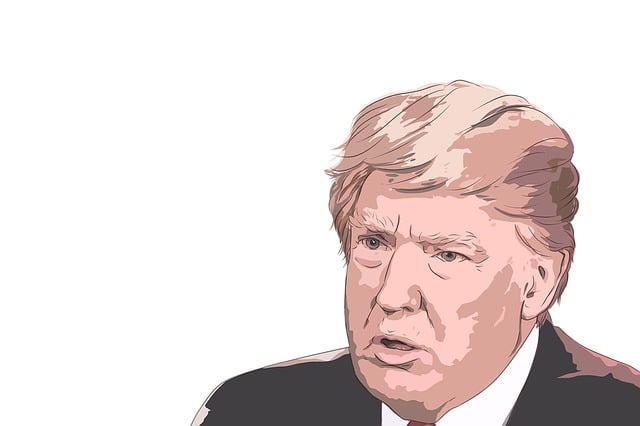
Iran’s response was immediate and multi‑layered, encompassing retaliatory strikes against US military bases across the region and robust defensive actions to ensure the continuity of its leadership structure. Intelligence assessments indicate that even with extensive military targeting, Iran’s leadership and organizational cohesion remained intact.
Why Analysts Say Trump Lost the Iran War
Ritter contends that the perception that Trump lost the Iran war on day one is rooted in the lack of cultural awareness from the US side.
Thus, it’s clear that Trump lost the Iran war on day one as the internal dynamics of Iranian society played a crucial role in their response.
Former US military intelligence officer Scott Ritter and other strategic analysts have argued that one of the core reasons Trump lost the Iran war was his administration’s failure to appreciate Iran’s ideological and faith‑centered societal structure. Ritter asserted — based on multiple public commentary excerpts — that the regime’s religious ideology, grounded in Shia Islam and historical symbolism like Karbala, heavily influences Iranian strategic behavior.
While Western military planning often prioritizes conventional force projection, Iran’s internal unity during conflict is deeply informed by religious narratives that valorize martyrdom and steadfast resistance — themes epitomized by the collective memory of Imam Husayn’s sacrifice at Karbala in 680 CE. Analysts stress that such cultural factors are neither peripheral nor symbolic but are integral to understanding Iran’s political and military posture.
Iran’s Faith and Cultural Resilience
Shia Islam, which forms the religious backbone of the Islamic Republic of Iran, places extraordinary emphasis on historical episodes of sacrifice and spiritual fortitude. The Battle of Karbala — where Imam Husayn stood against overwhelming forces — remains central to Iranian collective identity and has over centuries become an enduring metaphor for resistance against oppression.
This cultural context sustains a narrative in which endurance through adversity is valorized. According to commentators citing Ritter’s views, this has resulted in societal cohesion that is exceedingly difficult for external military power to fracture. Under such conditions, Iran’s response to foreign attack looks less like a tactical retreat and more like an ideologically reinforced defense.
This has led many to conclude that Trump lost the Iran war on day one and that the repercussions could be significant.
Reactions Within Iran and Beyond
Following the escalation of conflict, Iranian officials publicly rejected demands for unconditional surrender and vowed to defend national sovereignty and religious values. Iranian political leaders emphasized that external military pressure would not break the nation’s unity or resolve. Iranian society witnessed large demonstrations in support of the regime and in defiance of external intervention.
Consequently, the narrative that Trump lost the Iran war on day one continues to influence discussions about US foreign policy.
International observers also highlighted pro‑Iranian protests globally against the joint US‑Israeli strikes, signaling solidarity with cultural and religious narratives that reject Western intervention.
Overall, the idea that Trump lost the Iran war on day one serves as a cautionary tale for future engagements in the region.
Political Consequences for Trump’s Leadership
Scott Ritter and other analysts have warned that the strategic fallout of misreading Iran’s resilience could extend beyond battlefield outcomes. Some commentators suggest that if the US fails to achieve rapid and decisive results, it could result in political damage to Trump’s leadership and domestic standing — potentially affecting elections, public opinion, and geopolitical influence.
Ultimately, the consensus is that Trump lost the Iran war on day one was not just a military failure but a significant strategic error.
In conclusion, the assertion that Trump lost the Iran war on day one highlights the importance of cultural understanding in conflict scenarios.
Strategic Implications of “Trump Lost the Iran War”
The claim that Trump lost the Iran war on day one reflects a broader critique of how geopolitical strategy intersects with cultural intelligence. It underscores the idea that modern conflict is not won solely through advanced weaponry or superior firepower — but also through an understanding of the adversary’s historical identity, faith, and narrative motivations.
Iran’s ability to withstand initial strikes without collapsing, maintain political continuity, and mobilize public sentiment suggests that battlefield tactics must be coupled with nuanced knowledge of societal values. In this sense, analysts argue that the conflict’s trajectory will be shaped as much by ideology as by military engagement.
Frequently Asked Questions (FAQ)
Q1: Did Trump officially concede that he lost the Iran war?
A1: No public statement by Trump explicitly claims he lost the war. The view that Trump lost the Iran war on day one comes from external analysis, including commentary by Scott Ritter and other strategic observers.
Understanding why Trump lost the Iran war on day one is vital for policymakers to avoid repeating past mistakes.
Q2: What role does Shia faith play in Iran’s resilience?
A2: Shia faith and historical episodes like the Battle of Karbala are deeply embedded in Iranian national identity, shaping views on sacrifice, leadership, and resistance — all of which contribute to resilience in conflict.
Q3: How has Iran responded to the conflict militarily?
A3: Iran has maintained command structures, launched retaliatory strikes on multiple fronts, and continued military operations despite sustained pressure from US and allied forces. Intelligence reports suggest leadership continuity and strategic adaptation.
Q4: What are the political implications of the Iran war for the US?
A4: Analysts suggest potential domestic political risks for the Trump administration if the conflict fails to achieve swift results, including weakened public support and strategic credibility.
Conclusion
The claim that Trump lost the Iran war on day one is rooted in an understanding of not just military outcomes but cultural dynamics and historical narratives that influence national behavior. According to analysts like Scott Ritter, the U.S. strategic approach overlooked a foundational element: Iran’s societal resilience anchored in the Shia faith and historical identity.
Whether this is ultimately judged as a military loss or a broader strategic setback remains a subject of intense debate — but it underscores the critical importance of cultural intelligence in modern geopolitics.
For readers seeking deeper insights into global geopolitics, historical context, and strategic analysis, visit Documentary Times for more in-depth coverage and expert perspectives on the events shaping our world.