The Iran Supreme Leader warning sent shockwaves across global geopolitical and defense communities on February 17, 2026. Ayatollah Ali Khamenei publicly declared that even what the United States calls the “strongest military in the world” could be struck so forcefully that it might not recover, escalating tensions amid renewed nuclear negotiations in Geneva.
This statement came as U.S. aircraft carriers—including the USS Gerald R. Ford and accompanying strike groups—were deployed to waters near Iran, signaling rising pressure and potential military confrontation.
Table of Contents
Why the Iran Supreme Leader Warning Matters Now
While negotiations between Tehran and Washington were underway in Geneva, Ayatollah Khamenei took to the social platform X (formerly Twitter) to assert Iran’s defense posture and dismiss claims of American military supremacy. “A warship is, of course, dangerous,” he wrote, “but more dangerous than that warship is the weapon that can send that warship to the bottom of the sea.”
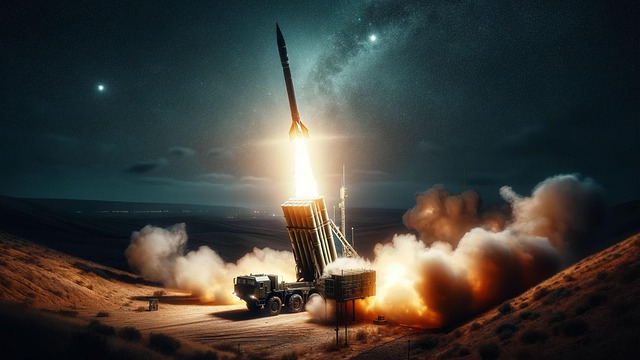
Khamenei’s message was layered: it warned of Iran’s expanding deterrence capabilities while reinforcing its refusal to yield under foreign pressure. He challenged the narrative of U.S. invincibility, asserting that even the most advanced armies could be “struck so hard it cannot get up again.”
Background: U.S. Military Buildup and Regional Tensions
The Iran Supreme Leader warning did not occur in a vacuum. Months of heightened tensions preceded it:
- The United States assembled an unprecedented military buildup in the Middle East, including multiple aircraft carrier groups and advanced aerial assets near Iranian waters.
- Iran responded with naval drills and the temporary closure of portions of the Strait of Hormuz, a key maritime chokepoint through which about 20% of the world’s seaborne oil trade passes.
- Tehran and Moscow even conducted joint maritime exercises in the Gulf of Oman, highlighting the geopolitical ramifications of the standoff.
These developments put global energy markets, military analysts, and policymakers on alert, as both sides carefully balanced military displays with diplomatic engagement.
Khamenei’s Warning in Context
The Iran Supreme Leader warning highlighted several core themes in Tehran’s strategic calculus:
Strategic Deterrence
Khamenei’s rhetoric emphasized deterrence over direct aggression. Rather than initiating conflict, he framed the warning as a necessary signal to Washington that Iran’s defenses—including anti-ship missiles, drones, and coastal systems—are capable of responding to military threats.
Emphasis on Sovereignty
The warning also reinforced Iran’s narrative that its military capabilities—missile programs, regional deterrent forces, and naval defenses—are sovereign rights and essential to national security. Khamenei explicitly rejected external limits on these capabilities, asserting that without credible deterrent forces, a nation risks being “crushed by the enemy.”
Response to U.S. Rhetoric
The warning was also a direct counter to statements by U.S. leadership claiming military dominance and threatening action if negotiations fail. Tehran sees such threats as coercive and counterproductive, particularly when diplomatic avenues remain open.
Regional and Global Reactions
International observers have responded in various ways:
- Washington reiterated its naval strength and readiness while urging Iran to pursue diplomatic solutions.
- Oil markets reacted nervously to the temporary strait closure and military drills, though prices fluctuated with shifting hopes of de-escalation.
- Regional governments watched closely, aware that any escalation involving the U.S. and Iran could ripple across the Middle East and beyond.
Despite the tension, both Tehran and Washington reported some constructive progress on nuclear discussions, suggesting that diplomacy has not been abandoned.
The Strategic Implications of the Iran Supreme Leader Warning
This warning has several long-term ramifications:
1. Reaffirmation of Iran’s Deterrence Doctrine
Iran sought to communicate that it will not be cowed by military pressure and that its strategic defenses are designed to deter aggression, not provoke unnecessary conflict.
2. Heightened Geopolitical Risk
When a nation publicly declares that it can strike even the most powerful military, global policymakers factor that into escalation risk models. Miscalculations near the Strait of Hormuz could have significant consequences for international security.
3. Diplomatic Leverage
By balancing threats with ongoing negotiations, Tehran aims to strengthen its bargaining position, leveraging its deterrence narrative to resist capitulation on sensitive issues such as missile development and regional influence.
FAQ — Iran Supreme Leader Warning
Q1. What exactly did Ayatollah Khamenei warn?
A1. He stated that even the “strongest military force” could be struck so hard that it might not recover, specifically referencing U.S. warships near Iranian waters.
Q2. Where did this warning occur?
A2. Khamenei issued this warning on the social platform X (formerly Twitter) amid renewed nuclear talks in Geneva.
Q3. What prompted this warning?
A3. The warning followed the deployment of U.S. aircraft carriers and naval forces to the Persian Gulf region amid tensions over Iran’s nuclear program and ongoing diplomatic negotiations.
Q4. Does Iran have the capability to sink U.S. warships?
A4. Iran claims it has anti-ship missiles and maritime systems designed to target large naval assets; experts debate the likelihood of successfully sinking advanced U.S. carriers without provoking massive retaliation.
Q5. How might this warning affect international diplomacy?
A5. It could increase diplomatic urgency, with both sides trying to avoid miscalculation while negotiating sensitive nuclear and security issues.
Conclusion
The Iran Supreme Leader warning marks a significant moment in U.S.–Iran relations. By publicly challenging the idea of American military invincibility and underscoring Iran’s own deterrence capabilities, Ayatollah Khamenei has reinforced Tehran’s strategic posture in both diplomatic and military arenas.
As negotiations continue in Geneva and military tensions persist in the Persian Gulf, the global community remains alert to how these warnings will shape future engagement between these powerful adversaries.
For more in-depth geopolitical analysis, historical context, and investigative documentaries, visit Documentary Times.