The dramatic Baal burning in Iran during the anniversary rallies for the 1979 Islamic Revolution stunned viewers around the world. On February 11, 2026, demonstrators burned large horned, bull‑headed effigies identified as Baal in Tehran and other major cities while chanting “Death to Israel” and “Death to America.”
State‑organized rallies featured this spectacle at prominent locations such as Azadi Square in Tehran, and the Baal burning was presented by Iranian media as a symbolic rejection of Western influence and moral corruption.
This act quickly became one of the defining images of the 47th anniversary celebrations, blending religious symbolism with modern geopolitical messaging.
Table of Contents
What Is Baal and Its Symbolism?
The term “Baal” refers to an ancient deity worshipped by Canaanite peoples in the ancient Near East. In historic Jewish, Christian, and Islamic texts, Baal is often portrayed as a false god and symbol of idolatry.
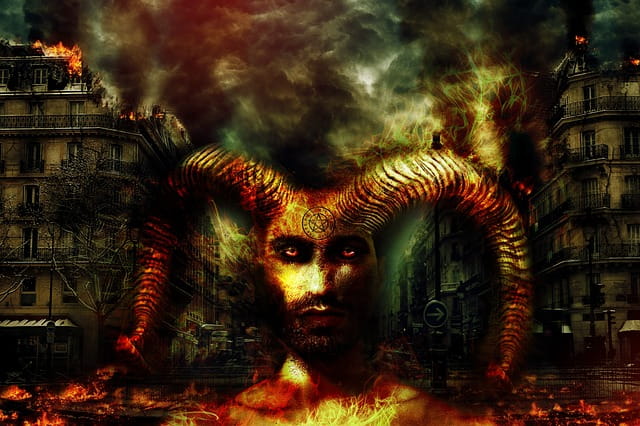
In modern political displays such as the Baal burning in Iran, the figure of Baal is used not merely as a religious symbol but as a representation of what the state calls “corrupt Western powers”—linking the idol to contemporary political adversaries. The statue in Tehran was marked with a Star of David and sometimes featured images of foreign leaders to signify opposition to Israel and the United States.
The Event: Baal Burning During Revolution Rallies
During the 47th anniversary of the 1979 Islamic Revolution, state‑backed rallies were held simultaneously across Iran. In Tehran’s Azadi Square and other cities, protesters burned Baal effigies adorned with symbols such as the Star of David and the number “666,” often interpreted by organizers as representations of spiritual and political corruption.
Participants chanted slogans targeting Israel and the United States, and these burnings became the visual centerpiece of broader displays that also included mock flag tramples and military hardware exhibitions. Iranian officials described the Baal burning as symbolic of a world united against “worshippers of false idols and imperial powers,” reinforcing Tehran’s narrative of resistance.
Political and Cultural Reactions
The Baal burning in Iran drew a range of responses:
- Domestic Justification: Iranian state media framed the act as an expression of national unity and opposition to perceived Western influence.
- Symbolic Messaging: The inclusion of modern symbols like the Star of David on the effigy was interpreted as an attempt to equate Israel with historical “evil,” thus framing geopolitical opponents in terms of ancient religious imagery.
- International Attention: Global media outlets highlighted both the dramatic imagery and the controversy surrounding it, stressing that the blend of religion and politics raises complex questions about symbolism in global affairs.
Some critics warned that using religiously charged images like Baal, combined with political statements, could inflame tensions beyond Iran’s borders and distort historical meanings into modern political narratives.
The Baal Burning and Modern Conspiracy Theories
In the days following the event, some social media narratives drew tenuous links between the Baal burning and online conspiracy theories associated with figures like Jeffrey Epstein—claiming symbolic ties between elite corruption and ancient idol worship.
While such interpretations circulated online, fact‑checking organizations have repeatedly noted that these links lack credible evidence and stem more from internet speculation than verified historical or legal documentation.
What the Baal Burning in Iran Represents
The Baal burning in Iran is a complex fusion of religious imagery, political rhetoric, and symbolic protest. It showcases how ancient symbols are repurposed in modern geopolitical contexts to express discontent, reinforce ideological narratives, and rally public sentiment.
By portraying Baal as a symbol of perceived Western moral decay and geopolitical opposition, Iranian authorities and organizers used the act of burning as a powerful form of visual messaging—one that resonates across cultural, religious, and political lines.
FAQ — Baal Burning in Iran
Q1: What does Baal represent in this event?
In the Baal burning in Iran, Baal was used as a symbolic figure representing false gods, corruption, and opposition to what Iranian media describes as imperial influence.
Q2: Where did the Baal burning take place?
Baal effigies were burned in state‑organized rallies in Tehran’s Azadi Square and other cities on the 47th anniversary of the Islamic Revolution.
Q3: Was the Baal burning connected to conspiracy theories about Epstein?
Some online narratives loosely connected the event to conspiracy theories involving Jeffrey Epstein, but these associations lack verified evidence and are rooted in social media speculation.
Q4: Why did the protesters include modern symbols?
Protesters marked the Baal effigies with symbols like the Star of David, aiming to link the ancient figure with modern political adversaries such as Israel and the United States, reinforcing the political message of the rally.
Conclusion
The Baal burning in Iran reflects a powerful intersection of symbolism and politics, where ancient religious imagery is woven into contemporary narratives of resistance and geopolitical identity. Rather than a literal religious ritual, the event served as a staged visual message—designed to communicate defiance, project unity, and shape public perception both domestically and internationally.
Visit www.documentarytimes.com for more in-depth coverage and expert analysis.