The phrase “Epstein Baal link” has exploded across search engines and social media feeds. A single word — “Baal” — mentioned in released Epstein-related documents has fueled speculation that Jeffrey Epstein was somehow connected to an ancient child-sacrifice cult.
But what does history actually say?
This article examines the claim through documented evidence, archaeology, ancient religious scholarship, and the verified details of the Epstein case. We separate internet amplification from historical continuity. We analyze what is known. And we draw a clear line between mythology and modern criminal investigation.
Table of Contents
The Origin of the Epstein Baal Link Theory
The Epstein Baal link theory gained traction after references to the word “Baal” surfaced in discussions surrounding Epstein-related material. Online commentators began connecting this term to ancient Canaanite and Phoenician religion.
From there, the narrative escalated rapidly.
Claims emerged that Epstein was tied to:
- A surviving Phoenician cult
- Ancient child-sacrifice rituals
- A 3,000-year-old secret religious tradition
- Medieval Khazarian religious preservation
The speed of escalation reflects a common digital pattern: a symbolic term appears, historical mythology is attached, and speculation expands beyond documentary evidence.
But before analyzing the theory’s claims, we need to understand what Baal actually was.
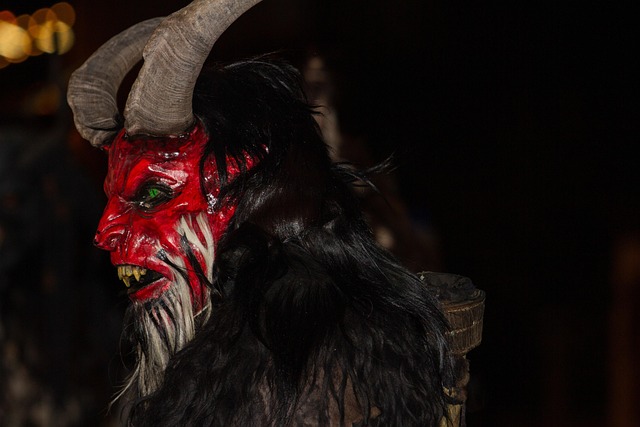
Who Was Baal? Understanding the Historical Context
To evaluate the alleged Epstein Baal link, we must first examine Baal within its original historical framework.
Baal in Ancient Canaanite Religion
“Baal” was not a single named individual. The word baʿal in Northwest Semitic languages simply meant “lord” or “master.” It functioned as a title.
In the ancient Levant (modern-day Lebanon, Israel, Palestine, and parts of Syria), Baal referred to a storm and fertility deity worshiped by Canaanite populations between roughly 3000 BCE and 1200 BCE.
Key characteristics:
- Associated with storms and rain
- Linked to agricultural fertility
- Appeared in Ugaritic texts discovered in the 20th century
- Referenced in Hebrew biblical texts
Baal worship varied across regions. There was no centralized global priesthood. No evidence of institutional continuity beyond antiquity exists.
The Child Sacrifice Question: What Archaeology Actually Shows
One of the most emotionally charged components of the Epstein Baal link theory involves alleged ritual child sacrifice.
The primary archaeological evidence comes from Carthage, a Phoenician colony founded in the 9th century BCE in present-day Tunisia.
The Carthage Tophet
Archaeologists uncovered burial sites known as tophets, containing urns with cremated remains of infants and small animals. Some inscriptions reference offerings described as “molk.”
This has led to two competing scholarly interpretations:
- Ritual Sacrifice Theory: Some scholars argue the remains indicate ritual child sacrifice to Baal Hammon and Tanit.
- Infant Cemetery Theory: Others argue the site represents high infant mortality burial practices, not sacrificial ritual.
What matters for evaluating the Epstein Baal link is this:
- The evidence is geographically limited.
- It dates to over 2,500 years ago.
- There is no verified chain of transmission connecting Carthaginian practices to medieval Europe or modern institutions.
There is no archaeological evidence of a surviving Baal cult extending into the modern era.
The Continuity Problem: 3,000 Years Without Evidence
For the Epstein Baal link to hold historical weight, there would need to be documented continuity:
- Textual records
- Ritual transmission
- Archaeological traces
- Cultural preservation across centuries
There are none.
Carthage fell in 146 BCE after the Third Punic War. Roman religious assimilation followed. Subsequent Christianization of the Roman Empire further dismantled pagan religious structures.
By the early medieval period, Baal worship had vanished from active practice.
No credible academic source documents a preserved Baal priesthood, hidden sect, or underground ritual lineage extending into the modern era.
The theory relies on symbolic association — not documented transmission.
How the Epstein Case Became Linked to Ancient Myth
The Epstein scandal is one of the most disturbing criminal cases in recent history. His arrest in 2019 on federal sex trafficking charges shocked the world. His death in custody intensified public distrust.
When institutions fail, people search for deeper explanations.
The Epstein Baal link theory reflects a psychological pattern:
- Scandal creates moral outrage.
- Lack of transparency fuels suspicion.
- Ancient myth provides narrative structure.
- Social media amplifies symbolic connections.
The word “Baal” carries biblical and cultural resonance. For many audiences, it symbolizes corruption, paganism, and hidden power.
But symbolic resonance is not evidence.
The Khazaria Claim: Is There Any Historical Bridge?
Some versions of the Epstein Baal link claim suggest medieval Khazaria preserved ancient Canaanite religion.
Historically:
- The Khazar Khaganate existed between the 7th and 10th centuries CE.
- It was a Turkic polity in the Eurasian steppe.
- Elite conversion to Judaism is documented in medieval sources.
There is no academic evidence linking Khazaria to Canaanite Baal worship.
There are no archaeological finds.
No liturgical texts.
No ritual artifacts.
The proposed bridge between Bronze Age Levantine religion and medieval steppe kingdoms is unsupported.
Why the Epstein Baal Link Persists
Despite the lack of historical continuity, the Epstein Baal link remains viral for three reasons:
1. Mythic Framing Feels Powerful
Ancient gods add narrative gravity.
2. Moral Shock Demands Explanation
When crimes feel incomprehensible, myth fills gaps.
3. Algorithmic Amplification
Digital platforms reward emotionally intense content.
The theory spreads not because of evidence — but because of narrative potency.
Separating Symbol from Structure
There is a crucial distinction between:
- A symbolic word appearing in communication
and - A structured, historically continuous religious institution
The former can occur casually or metaphorically.
The latter requires documentation.
The Epstein Baal link lacks structural evidence.
No ritual documents.
No lineage records.
No surviving cult infrastructure.
No archaeological continuity.
The Strategic Implication: How Myth Enters Modern Scandals
The broader significance of the Epstein Baal link lies in media dynamics.
We are witnessing a shift:
- Scandals are no longer interpreted solely through legal frameworks.
- They are filtered through mythic archetypes.
- Ancient symbolism becomes attached to modern events.
This changes public discourse.
It moves investigations from courtrooms to cosmology.
From evidence to allegory.
Understanding that shift is essential for media literacy.
Conclusion: What History Actually Says
The historical record is clear:
- Baal was a title used in ancient Canaanite religion.
- Evidence of ritual sacrifice remains debated and geographically limited.
- No verified historical continuity links Baal worship to modern elites.
- No documented connection ties Jeffrey Epstein to an ancient religious cult.
The Epstein Baal link is a modern narrative construction — not a historically supported lineage.
Serious crimes deserve serious investigation.
History deserves evidence.
And myth deserves context.
FAQ: Epstein Baal Link Explained
Was Jeffrey Epstein part of a Baal cult?
There is no verified historical or investigative evidence supporting this claim.
Did Baal worship involve child sacrifice?
Some archaeological findings in Carthage suggest ritual offerings, but scholars debate whether these represent sacrifice or infant burial practices.
Is there evidence of Baal worship surviving into modern times?
No credible academic evidence documents continuous Baal worship beyond antiquity.
Why do people connect Epstein to ancient mythology?
High-profile scandals often generate symbolic interpretations, especially when public trust is low.
Is the Epstein Baal link historically supported?
No. The theory lacks documentary, archaeological, and textual continuity.
Final Reflection
The most dangerous myths are not ancient.
They are modern — born in moments of outrage, amplified by algorithms, and sustained by ambiguity.
History is not a weapon.
It is a record.
And when examined carefully, it tells a very different story than viral speculation.
If you found this investigation valuable, explore more evidence-based analysis at Documentary Times, where history meets scrutiny — and myth meets fact.