A disturbing 9/11 message has recently resurfaced within the newly released documents connected to Jeffrey Epstein. Buried deep in the archive, the email reveals cryptic correspondence sent just days after the September 11 attacks, alongside a January 2003 invitation for Ghislaine Maxwell to join a secretive forum called the Shadow Commission on 9/11.
The email’s brief, haunting line—“Where is the real pilot?”—stands as one of the most chilling findings in the Epstein archive. Discovered among millions of pages released under the United States Department of Justice transparency initiative, this disturbing 9/11 message has raised urgent questions about secret discussions among powerful individuals in the immediate aftermath of the attacks.
Table of Contents
Understanding the Epstein Archive and Its Secrets
The Epstein archive is more than a scandal repository. It is a detailed record of private communications linking high-profile figures, political elites, and financiers. While much of the media attention focused on social connections and flight logs, the disturbing 9/11 message and the Shadow Commission email were largely ignored.
The January 2003 email, authored by investigative journalist Edward J. Epstein, invited Maxwell to participate in confidential discussions examining alternative perspectives on the 9/11 attacks. The message emphasized secrecy, membership exclusivity, and private dialogue—but did not specify its goals, scope, or participants beyond Maxwell herself.
Maxwell declined the invitation. However, the mere existence of this correspondence has prompted renewed speculation about who else may have been involved, and why the communication remained hidden for more than 20 years.
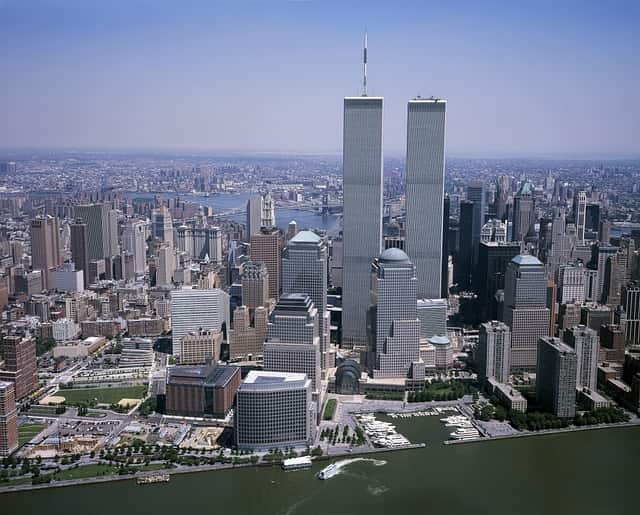
The Disturbing 9/11 Message: “Where Is the Real Pilot?”
Among the most shocking elements of the archive is the disturbing 9/11 message sent immediately after the attacks. It is concise:
“Where is the real pilot?”
The sender remains unidentified, but metadata suggests the account was connected to Epstein’s inner circle. Unlike public mourning or commentary, this email conveys inquiry and focus—indicating that someone in the network was actively questioning the official narrative of the attacks.
The brevity of the disturbing 9/11 message adds to its intensity. With only seven words, it hints at potentially deeper knowledge, and it challenges the conventional record of what was known—or believed—at the time.
The Shadow Commission: A Secretive Forum
The Shadow Commission referenced in the Epstein archive is described as a private forum for discussing 9/11. According to Epstein’s email to Maxwell, it was intended for a select group of members to examine unresolved questions surrounding the attacks.
No public mission statement exists. The files do not list participants beyond Maxwell, nor do they disclose funding or decision-making authority. Yet the very idea of such a group reinforces the gravity of the disturbing 9/11 message and the hidden conversations occurring at the highest levels.
Maxwell’s Post-9/11 Communications Reveal Ideological Insights
Other emails in the Epstein archive suggest Maxwell was circulating fictionalized scenarios imagining a world without Arabs. Shared in the immediate post-9/11 period, these communications are alarming for their ideological tone and provide context to the disturbing 9/11 message. They illustrate how private elites were interpreting and shaping narratives around the attacks—outside public view.
The combination of Maxwell’s writings and the Shadow Commission correspondence underscores the intersection of power, secrecy, and ideology, making the disturbing 9/11 message one of the most provocative artifacts from the archive.
Why the Media Overlooked the Disturbing 9/11 Message
Despite official release, mainstream media gave little attention to 9/11-related documents within the Epstein archive. Thousands of other records made headlines, including celebrity flight logs and high-profile contacts. Yet the disturbing 9/11 message and Shadow Commission emails were largely ignored.
Independent analysts suggest that revisiting 9/11 counternarratives carries professional, legal, and cultural risk—explaining the muted coverage. Only through investigative research and systematic review of the files have these communications come to light.
The Strategic Implications of the Disturbing 9/11 Message
This email is not just an isolated curiosity. It highlights how elite networks operate outside public oversight. Epstein served as a private connector, and Maxwell as his gatekeeper, making the disturbing 9/11 message a window into how powerful individuals explored secret narratives in critical historical moments.
The emergence of these emails raises profound questions:
- Who else was aware of these discussions?
- What was the Shadow Commission’s objective?
- Could these communications alter historical understanding of 9/11?
While answers remain elusive, the disturbing 9/11 message demonstrates the ongoing relevance of archival research in uncovering unseen dimensions of history.
Frequently Asked Questions (FAQ)
What is the disturbing 9/11 message?
The disturbing 9/11 message is a short email sent days after the attacks asking: “Where is the real pilot?” It was discovered in the newly released Epstein archive and remains unexplained.
What was the Shadow Commission on 9/11?
The Shadow Commission was described in a January 2003 email as a private, secret-membership forum examining alternative perspectives on 9/11. Maxwell was invited but declined. The files do not list other members or outline the group’s goals.
Why is the disturbing 9/11 message important?
It reveals hidden inquiry into 9/11 within elite networks, showing how private actors questioned official narratives and shaped alternative discourses in secrecy.
Why is this resurfacing now?
The documents were officially released by the United States Department of Justice as part of ongoing transparency efforts. They were largely overlooked until detailed investigation of the archive began.
How does this affect our understanding of 9/11?
The disturbing 9/11 message and related emails suggest a layer of private discussion and elite scrutiny not previously visible, reminding us that history is influenced by what happens behind closed doors as much as by public events.
Conclusion
The Epstein archive continues to reveal how hidden correspondence shapes history. The disturbing 9/11 message and Shadow Commission invitation show that even two decades after September 11, new questions and insights are emerging—forcing a reevaluation of transparency, secrecy, and power in modern history.
For in-depth investigative reporting and analysis on this story and similar revelations, visit Documentary Times.