The question “Could the US go to war with Iran?” has transitioned from speculation into urgent global debate. With rising tensions in the Middle East, massive naval deployments, and repeated warnings from both Washington and Tehran, the possibility of direct conflict is a real and consequential geopolitical issue.
Recent developments — including the deployment of a US aircraft carrier strike group led by the USS Abraham Lincoln toward Iran and escalating rhetoric from both sides — have made the world reconsider what a US‑Iran war might entail and how far its shockwaves could spread.
In this article, we explore why the US go to war with Iran scenario has global implications, analyzing potential outcomes and strategic consequences that extend far beyond the battlefield.
Table of Contents
What Does It Mean If the US Deploys Forces Toward Iran?
In early 2026, the United States significantly increased its military presence in the Middle East. A battle group led by the USS Abraham Lincoln, along with fighter jets and support vessels, moved toward Iranian waters in response to growing tensions tied to Iran’s nuclear program and nationwide unrest.
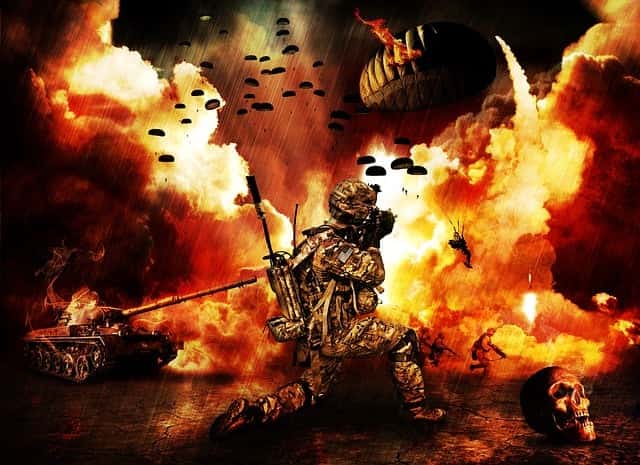
While the official stance from Washington emphasizes that diplomacy remains the priority, President Trump has repeatedly warned Tehran that time is running out to strike a new nuclear deal — and that refusal to negotiate could provoke military action.
Iran, for its part, has vowed that any attack would be treated as “all‑out war” against its nation and interests.
Strategic Importance of Iran in Global Affairs
1. Control of Energy Chokepoints
Iran’s geographic position along the Strait of Hormuz — a maritime passage through which nearly 20% of global oil and liquefied natural gas exports flow — means that any conflict could disrupt world energy markets. Even limited disruption of traffic through the strait can trigger dramatic increases in oil prices and global inflation.
2. Military and Asymmetric Capabilities
Iran does not match US conventional military power, but it has developed asymmetric warfare tactics that could magnify the costs of conflict. These include ballistic missiles, drone swarms, and proxy forces capable of attacking regional infrastructure or US assets.
Possible Outcomes If the US Go to War With Iran
1. Precision Strikes and Limited Conflict
One scenario involves the US conducting limited precision strikes against Iranian military or nuclear facilities. While this might be intended to avoid full‑scale war, Iran’s leadership has indicated that even limited attacks would be considered full aggression, raising the odds of retaliation.
2. Retaliation and Regional Escalation
Iran could respond with ballistic missile attacks against US bases in the Gulf or through proxy groups in Iraq, Syria, or Lebanon. The risk of escalation increases with every move, making containment difficult once hostilities begin.
3. Closure of the Strait of Hormuz
Experts have long warned that Iran might attempt to close the Strait of Hormuz in response to foreign military action, directly impacting global energy distribution and driving oil prices sharply higher.
4. Broader Conflict Beyond the Middle East
A US war with Iran could easily involve other regional players. Allies of Iran — including non‑state actors and potentially major powers with geopolitical interests — could widen the conflict beyond a bilateral exchange.
5. Humanitarian and Economic Consequences
Even a short conflict would cause significant human suffering and economic disruption. Beyond direct casualties, displaced populations, interrupted trade, and shattered infrastructure would have long‑lasting impacts on regional stability and global markets.
What Analysts Say About This Possibility
International relations experts generally agree that the risk of a full‑scale US–Iran war remains low but not negligible. Some predict that military escalation could make the United States less secure overall, particularly if it invites retaliation through regional proxies or cyber attacks.
Others argue that there is a strategic incentive for both sides to avoid large‑scale conflict — but deterrence hinges on miscalculation, rhetoric, and political pressure that could push decision‑makers toward confrontation.
Why a US Go to War With Iran Could Reshape the World
Global Energy Markets
A conflict in the Persian Gulf would likely destabilize global oil and gas prices, increasing the cost of energy worldwide and slowing economic growth.
International Security Architecture
A US–Iran war could undermine longstanding security alliances and drive Middle Eastern nations to reconfigure their defense strategies.
Nuclear Proliferation Concerns
If Iran feels existentially threatened, it might abandon international nuclear agreements, potentially triggering a regional arms race and diminishing non‑proliferation norms.
Escalation Risks Involving Major Powers
An open war could draw in external powers with geopolitical stakes in the region, elevating the risk of larger global tensions.
Frequently Asked Questions (FAQ)
Could the US really go to war with Iran?
It is possible but not inevitable. Military buildup and aggressive rhetoric increase the risk, but diplomacy and international pressure remain primary tools for de‑escalation
What would trigger a US attack on Iran?
Triggers could include an Iranian nuclear weapons development breakthrough, attacks on US forces or allies, or failure of diplomatic negotiations.
Would a war with Iran involve ground troops?
Experts generally see ground invasion as unlikely; most conflict scenarios involve airstrikes, naval blockades, and proxy engagements.
How would global markets react to such a war?
Energy prices would likely spike, and global markets could face volatility due to supply chain disruptions and investor uncertainty.
Is a US–Iran war likely to expand beyond the Middle East?
Yes — involvement from allied nations, proxy groups, or major global powers could easily broaden the conflict.
Conclusion: Global Stakes of a US–Iran War
Whether the US goes to war with Iran or manages to avoid a direct military clash, the consequences of such an escalation are far‑reaching. From energy markets and regional security to global diplomatic norms, the world stands to feel the impact of US–Iran tensions for years to come.
Understanding the risks, stakes, and strategic implications is essential for policymakers, analysts, and global citizens watching this fragile moment in history.
For more in-depth analysis and global geopolitical coverage, refer to Documentary Times.